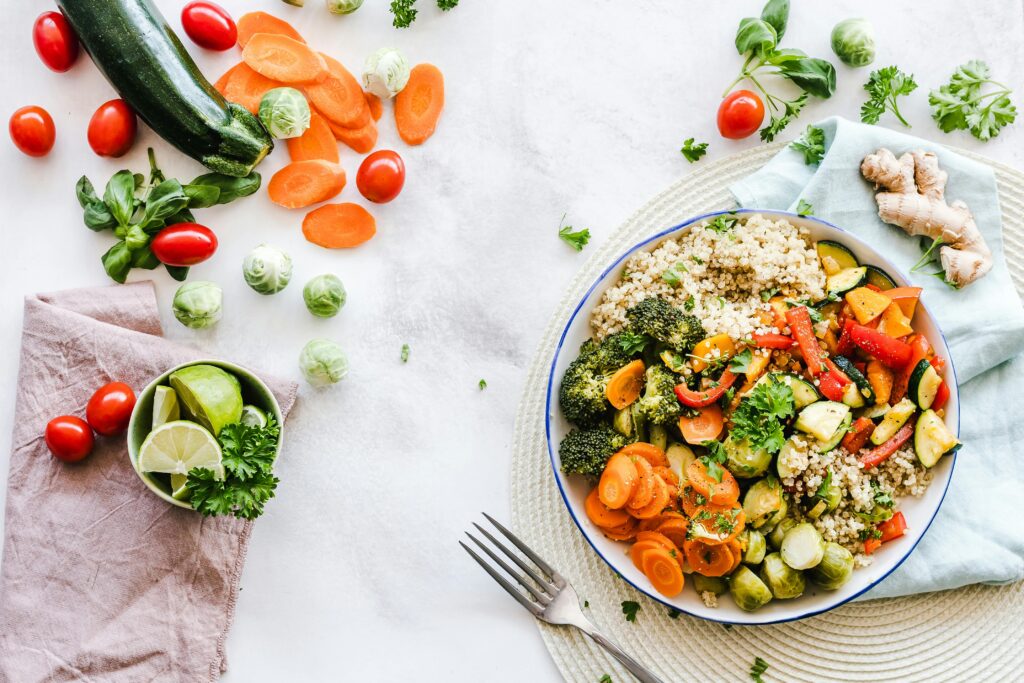
Nutrition is one of those topics that everyone has an opinion about. Scroll through social media and you’ll find endless conflicting advice. Eat fat, avoid fat. Eat carbs, avoid carbs. Eat meat, avoid meat. Eat six small meals a day, eat three bigger meals, try intermittent fasting. It’s confusing, and confusion often leads to giving up and eating whatever is convenient. But the basics of good nutrition are actually simple. They haven’t changed much despite all the noise. This guide cuts through the confusion and gives you practical, science-backed information you can actually use.
Let’s start with a fundamental truth. Food is not just fuel. Yes, it provides energy, but it’s also information for your body. The food you eat contains molecules that interact with your genes, your hormones, your immune system, and your brain. Every bite is either supporting your health or working against it. This isn’t about fear or perfection. It’s about understanding that what you put in your body matters, and making choices that serve you most of the time.
Macronutrients are the big three components of food that provide energy. Protein, carbohydrates, and fat. Your body needs all three. The trick is getting them in the right balance and from the right sources.
Protein is made of amino acids, which are the building blocks of your body. Your muscles, organs, skin, hair, and even many hormones are made from protein. You need it constantly because your body is always repairing and rebuilding itself. Good sources include lentils, chickpeas, beans, tofu, paneer, eggs, milk, yogurt, and for non-vegetarians, fish and chicken. Plant proteins are excellent, though you may need to combine different sources to get all essential amino acids. For example, rice and dal together form a complete protein, which is why this combination appears in cuisines across India. Most people don’t need protein supplements. Real food works better and comes with additional nutrients you won’t get from a powder.
Carbohydrates are your body’s preferred energy source. They break down into glucose, which fuels your brain and muscles. The key is distinguishing between different types of carbs. Whole carbohydrates come packaged with fiber, vitamins, and minerals. Think vegetables, fruits, whole grains like brown rice, millets, oats, and quinoa, and legumes. These digest slowly, provide steady energy, and keep you full. Refined carbohydrates have been stripped of their fiber and nutrients. Think white bread, white rice, sugar, sugary drinks, and most packaged snacks. These digest quickly, spike your blood sugar, and leave you hungry again soon after. The goal isn’t to eliminate carbs. It’s to shift toward whole carbs and away from refined ones.
Fat has been unfairly demonized. Your body needs fat. It’s essential for absorbing certain vitamins, building cell membranes, and producing hormones. The brain is about sixty percent fat. The question is what kind of fat. Unsaturated fats are healthy. They come from plants and fish. Think nuts, seeds, avocados, olive oil, and fatty fish. Saturated fats are okay in moderation but should be limited. They come mainly from animal products and coconut oil. Trans fats are the ones to avoid completely. They’re found in fried foods, baked goods, and packaged snacks. In India, this means limiting samosas, bhaturas, and commercially fried snacks, not because they’re occasional treats, but as everyday foods.
Fiber deserves special attention because most Indians don’t get enough. Fiber is the part of plant foods that your body can’t digest. It passes through your system, doing important work along the way. It slows digestion, keeping you full longer. It stabilizes blood sugar. It feeds the good bacteria in your gut. It helps lower cholesterol. And it keeps things moving, preventing constipation. Good sources include vegetables, fruits with skin, whole grains, lentils, beans, nuts, and seeds. Aim to include fiber in every meal.
Micronutrients are vitamins and minerals. You need them in smaller amounts, but they’re essential for every function in your body. Iron prevents anemia, which causes fatigue and weakness. Good sources include leafy greens, lentils, and fortified foods. Calcium keeps bones strong. Sources include milk, yogurt, ragi, and leafy greens. Vitamin D is crucial for bone health and immune function, and many Indians are deficient because we spend too much time indoors. Sunlight is the best source, along with fortified foods and supplements if needed. B vitamins are involved in energy production and brain function. Whole grains, legumes, and leafy greens provide them. Iodine is essential for thyroid function, and using iodized salt covers this easily. Eating a variety of whole foods generally ensures you get enough micronutrients. Supplements can help with specific deficiencies but aren’t a substitute for a good diet.
Now let’s talk about practical eating. What does this look like on your plate? A simple framework is to fill half your plate with vegetables and fruits. Any colors, any types, fresh or cooked. They provide fiber, vitamins, and minerals with relatively few calories. Fill a quarter of your plate with protein. Lentils, dal, paneer, tofu, eggs, or meat. The last quarter is for whole grains. Brown rice, millet, quinoa, or whole wheat roti. Add a small amount of healthy fat, like a drizzle of oil or a handful of nuts. This template works for most meals and ensures balanced nutrition without complicated counting.
Breakfast matters because it sets the tone for the day. Traditional Indian breakfasts can be excellent or problematic depending on what they are. Poha with vegetables, upma, idli with sambar, vegetable dalia, eggs with roti, or paratha with curd are good options. They provide protein, fiber, and steady energy. Sugary cereals, white bread with jam, or deep-fried snacks first thing in the morning set you up for energy crashes and cravings later.
Lunch and dinner follow the plate template. If you’re eating thalis or mixed meals, pay attention to proportions. More vegetables, reasonable protein, and controlled amounts of rice or roti. Eating slowly and without distractions helps you notice when you’re full, preventing overeating.
Snacks are where many diets go wrong. The problem isn’t snacking itself. It’s what people snack on. Packaged chips, biscuits, and sugary drinks provide empty calories and leave you hungry. Better options include fruit, nuts, roasted chickpeas, yogurt, or vegetable sticks with hummus. Having these available makes it easier to choose them when hunger strikes between meals.
Hydration is part of nutrition too. Water is involved in every bodily process. Digestion, absorption, circulation, temperature regulation. Even mild dehydration affects energy and focus. How much water you need varies based on activity, climate, and body size, but a general guideline is to drink enough that your urine is pale yellow. Plain water is best. Tea and coffee count but can be dehydrating if you drink too much. Sugary drinks and packaged juices are best avoided entirely.
Eating out and special occasions deserve a realistic approach. If you’re always strict, you’ll feel deprived and eventually rebel. If you’re always indulgent, you won’t see progress. The middle path works best. Most of the time, eat well. When you’re at a celebration or eating out occasionally, enjoy yourself without guilt. One meal doesn’t define your health. What you do consistently over time is what matters.
Now let’s address some common Indian nutrition challenges. Many traditional diets are heavy in refined carbohydrates like white rice and white flour. Shifting toward whole grains like brown rice, millets, and whole wheat makes a significant difference without changing the foods you love. Portion sizes for rice and roti are often larger than needed. Reducing them slightly and increasing vegetables maintains satisfaction with fewer calories. Cooking methods matter. Deep frying adds significant calories. Roasting, steaming, sautéing with minimal oil, and pressure cooking are healthier alternatives. Ghee and oil are fine in moderation but can add up quickly if used generously.
Nutrition needs change throughout life. Children and teenagers need more calories and nutrients to support growth. Pregnant and breastfeeding women have increased requirements for certain nutrients like iron, calcium, and folate. Older adults often need more protein to preserve muscle mass and more calcium and vitamin D for bone health. As you age, calorie needs decrease but nutrient needs remain high, making food choices even more important.
There’s a lot of nutrition misinformation out there. Detox diets aren’t necessary. Your liver and kidneys detox your body constantly without expensive juices or fasting. Superfoods don’t exist. No single food provides everything you need. Variety matters more than any one miracle food. Supplements aren’t a substitute for real food. Whole foods contain complex combinations of nutrients that work together in ways supplements can’t replicate. Quick fixes don’t work. Sustainable change takes time.
At Shree Sansthan, we see the impact of nutrition every day. Children who get adequate nutrition do better in school. Adults with balanced diets have more energy and fewer illnesses. Communities that understand basic nutrition make better food choices for their families. That’s why we include nutrition education in our health programs. Not complicated theories, but practical knowledge people can use.
Good nutrition isn’t about perfection. It’s about patterns. It’s not what you eat occasionally that matters, but what you eat most of the time. A single meal won’t make you healthy or unhealthy. The accumulation of thousands of meals over months and years shapes your health. So focus on making most of those meals count. Add vegetables where you can. Choose whole grains when possible. Include protein regularly. Drink water. Enjoy treats without guilt. And keep going.
Your body is remarkable. It takes the food you give it and uses it to build, repair, and maintain itself every moment of every day. Giving it quality fuel is one of the most powerful things you can do for your health. Not because you have to be perfect. Because you deserve to feel your best.
